Frequently Asked Questions
Have questions? We are here to help.

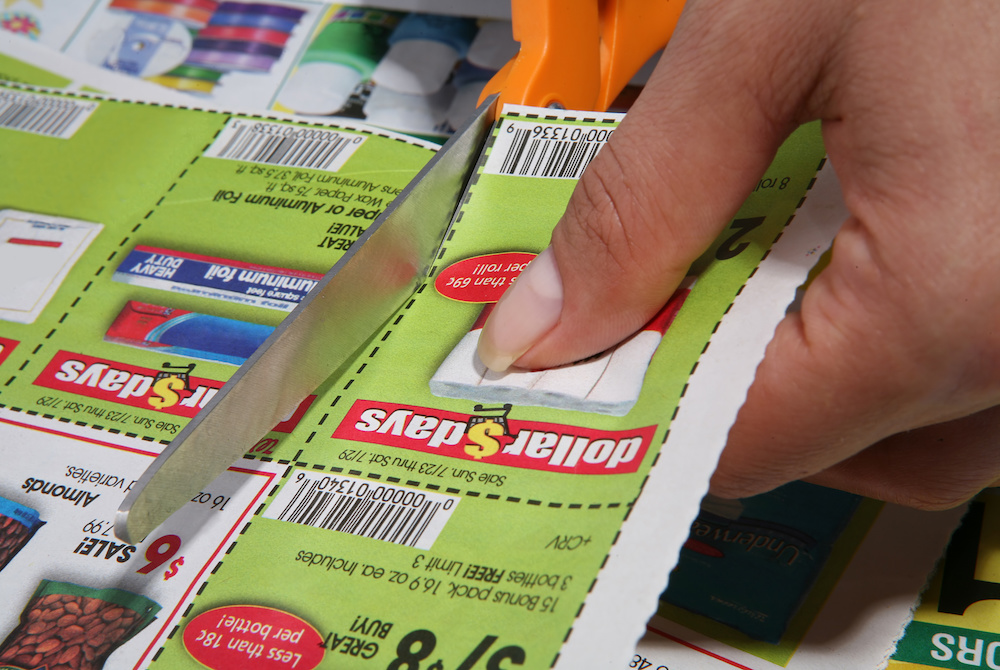
Grocery store expenses can really wreck a budget (in fact, they were number one on our list of household budget killers). There are many ways to reduce how much you spend at grocery stores, such as making a list and sticking to it, taking advantage of grocery store reward programs, and shopping on a full stomach. However, one surefire way to save money on groceries is by couponing.
For some, a coupon is just a tool for saving a buck on shaving cream or snacks. For others, knowing how to extreme coupon in Canada is a vital life skill. Canadian extreme couponing can help to save hundreds of dollars a month on basic necessities – allowing people in Canada to save money so they can cover other bills or set funds aside for a rainy day.
What is extreme couponing? How is extreme couponing Canada’s most underrated life skill? What are some Canadian couponing sites you could visit to learn more (and find great coupons)? Let's find out!
Television shows like TLC's Extreme Couponing in the United States have helped fuel Canadian couponing (it’s no longer on the air, but can still be streamed). Extreme couponing is an activity that combines shopping skills with couponing in an attempt to save as much money as possible while accumulating the most groceries. In one episode, couponers were able to reduce their grocery store expenses by nearly 80%!
So, does extreme couponing work in Canada? Yes and no. The thing is, couponers on television shows are usually notified when their televised shopping date will be. To make their haul that much more impressive, they’ll save up their highest-value coupons, including “free product” coupons, and use them all at once on that day. Some even use paid coupon clipping services, and those costs aren’t factored into their savings either.
So, don’t feel bad if you’re not saving hundreds of dollars on every trip to the store – those extreme couponers aren’t either! However, it’s still possible to save quite a bit of money using coupons if you’re organized and dedicated enough.
Why is it important to get into the habit of using a coupon whenever you can (even if you're not engaging in extreme couponing)?
The first, and most obvious, reason is to save money. By cutting a coupon for purchases you were already going to make, you can help stretch your budget just a little bit further – which can be very important during tough times.
Check out our Budget + Expense Tracker Template for More Help!
The practice of extreme couponing helps get you into good spending habits. By planning out your shopping trips – preparing a list of what to buy based on your needs and resources – you can build good deal-finding habits that can help you in other areas of your life with higher stakes.
For example, say you go house shopping (using the funds saved with your highly-developed couponing habits, naturally). Hopefully, the habits you developed to shop around, look for the best deals, read the fine print, and set realistic expectations of your needs will help put you in good stead when dealing with a real estate agent.
It can also help when you start planning your household budget since you'll be more used to planning your spending and cutting unnecessary costs.
Odds are that if you’re on a tight budget, you’ve already made some pretty deep cuts to your unnecessary spending. While using a coupon can help you limit your necessary expenses, it can also help you get more used to cutting unnecessary expenses.
For example, do you really need a quart of ice cream (especially if you don’t have a coupon for it)? Odds are that you don’t. But, this is one of those small expenses that most people don’t even think about when their bills are high. It’s usually a spur-of-the-moment buying decision that leaves us feeling good (and with a quart of ice cream to indulge in later as a bonus).
However, the self-enforced discipline that comes with planning shopping trips around your coupons might also help you break this (and other) bad spending habits. By creating a coupon and needs-based shopping list (and sticking to it), you can cut unnecessary spending.
On Extreme Couponing, many couponers had compiled databases, store maps, and piles upon piles of coupons they’d been categorizing for months, even years. Many of us simply don’t have that much time on our hands! However, even taking a page or two from their book can help cut down on grocery store purchases. Here are six couponing tips to consider.
When couponing, you should zero in on items you normally purchase. You’ll want to be flexible about which brands you purchase, but you shouldn’t clip coupons for products you don’t normally use. There’s no sense in buying soda just because it’s on sale when you normally drink filtered water.
Using a coupon when something is priced regularly can save you money, but “matching up” a coupon with a sale item can save you even more! Coupon matching is the art of using a coupon on an item that is already on sale or clearance. This guarantees you the lowest price possible!
Coupon stacking is using more than one coupon on a single item. For example, you may be able to stack a manufacturer coupon and a store coupon to maximize your savings. Once you’re comfortable with coupon stacking, you might try triple coupon stacking! That’s the trifecta of using a manufacturers’ coupon, a store coupon, and a cash rebate app (more on those in a moment).
However, this "extreme couponing Canada" trick isn't always available – check the next tip for more info!
You want couponing to be fun, and nothing ruins that like an embarrassing checkout experience. So, be sure you know whether the store you’re at accepts manufacturers’ coupons (this could vary by region).
You’ll also want to check the coupons themselves. For example, if they say “not redeemable with any other offer,” you won’t be able to use the coupon stacking strategy.
You don’t necessarily have to create a computer database like some extreme couponers, but you should at least invest in a small folio case that you can pick up at a dollar store. There are even some specifically designed for coupons that allow you to organize them by date (never let a good coupon expire!) or category (canned goods, freezer foods, personal care, etc.).
Using one will make separating and keeping track of coupons much easier (and make checkout much simpler, too).
It’s best to avoid stocking up on items that will expire, as that can become wasteful and defeat the whole purpose of couponing. If you do, be sure to constantly rotate your stockpile so the oldest items are at the front. This helps to reduce the likelihood of spoilage.
On the other hand, if you have the space, stocking up on non-perishable sale items you know you will eventually use makes good sense. We’re talking about certain canned foods, cleaning supplies, toiletries, personal care items, and other items that either don't expire or will take a long time to expire.
Just because you have a coupon for something doesn’t mean that you need to buy the item. It can help to take stock of what you have and compare that to what you need.
For example, are you starting to run short on soup, paper towels, or other daily necessities? Add it to your “needs” list and look out for a coupon that you could use. Do you have a big stack of some frozen food that will take you weeks (or months) to work through? Don’t stress too much about missing out on a coupon if you aren’t going through it too fast already.
Wondering where you can take part in extreme couponing in Canada? You can clip them the old-fashioned way – or you can use one of the many Canadian coupon sites offering manufacturer coupons, grocery store coupons, and more.
Additionally, there are couponing apps that could be helpful to have on your smartphone.
Looking to save a buck really quick? Going online to some Canadian couponing websites can provide some really great deals fairly quickly:
While a few of these apps don’t have anything to do with coupons per se, they can help you earn a spare bit of cash from your next shopping trip. This can help you stretch your budget just a little further than you could otherwise.
Couponing in Canada isn’t what it used to be. Sure, some clipping may be involved, but today’s technology often makes it much easier to coupon… and much easier to save!
For more money-saving ideas, check out our popular blogs How to Save Money on Groceries and How to Shop for Meals on a Budget. Happy couponing!