Frequently Asked Questions
Have questions? We are here to help.

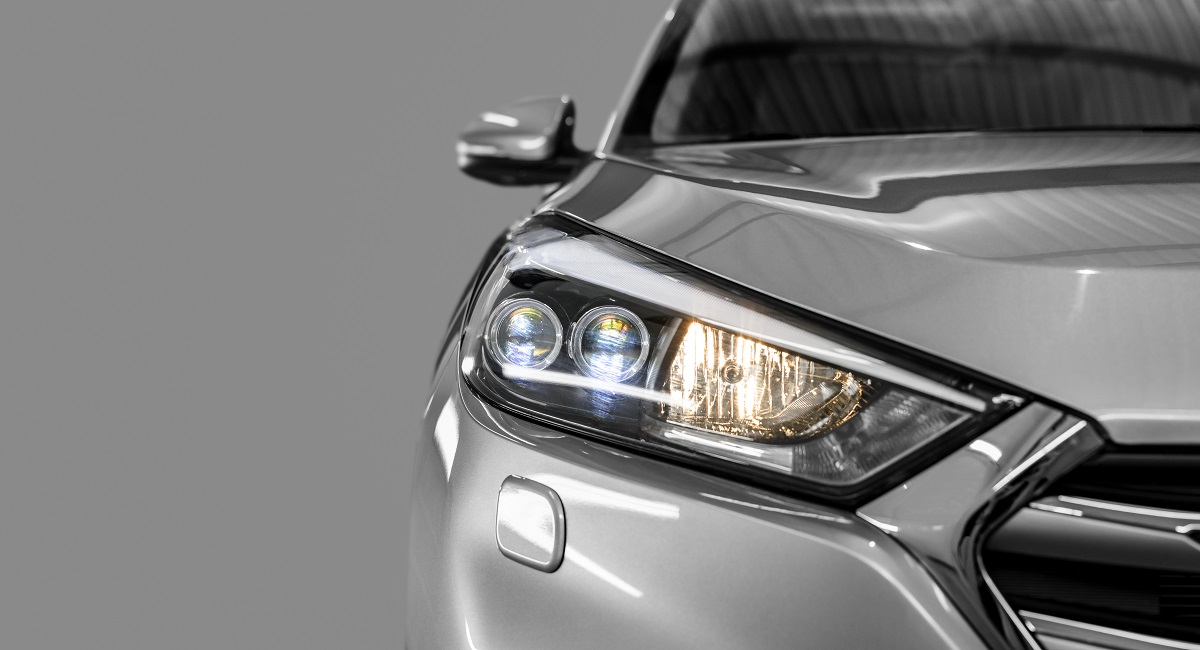
For many, vehicle ownership is a major step into adulthood—private car ownership helps provide an extra level of independence from parents/guardians and marks one of the first major responsibilities young adults may experience.
For others, owning a car, truck, or other motor vehicle is simply another necessity for their daily lives.
Countless people all over the world use privately-owned vehicles every day for their personal and professional errands. However, what many people don’t realize is the impact that the cost of owning a vehicle can have on their budget.
So how much does a car cost to own? More importantly, how can you minimize the impact of vehicle ownership?
Here’s a quick explanation of some of the costs of owning a car and what you can do to minimize the impact of vehicle ownership on your budget:
A lot of people seem to think that the cost of vehicle ownership starts and ends with its sticker price. However, that is just one type of cost associated with owning a motor vehicle. Let’s take a look at some of the major cost categories for a car, truck, or other vehicle:
The sticker price of a vehicle is the first and most obvious part of a car’s cost. For many vehicles, there are two different costs to consider—the cost of leasing vs. the cost of buying the vehicle.
When buying a vehicle, you will typically enter into a vehicle loan agreement with the dealership’s specialty financing service or a bank unless you can pay for the vehicle in cash.
The advantage of buying a vehicle is that, at the end of the loan, you will own the vehicle outright and will not have to pay for it any more. The longer you own your vehicle after the payoff, the more value you get from buying it!
Leasing a vehicle is a bit different from buying. Instead of owning the vehicle, you’re simply paying for access to use the vehicle while the dealership or leasing agency retains ownership.
At the end of the lease, you may be given the option to switch to financing it (i.e. buying it), extending the lease, or leasing a new vehicle.
Some pros and cons of buying vs. leasing a car include:
While buying a car may have a higher initial cost and higher monthly payments, it is often advantageous in the long run since you have a set ceiling to how much you’ll have to pay and will be free to use the vehicle as collateral later.
For example, say you have a choice to buy a car for a $3,000 down payment and five years of $300 payments. That’s $21,000 total.
Leasing the same vehicle is $200/month with a $1,000 security deposit. Over five years, that’d be $13,000, $1,000 of which you might be able to get back (assuming you accumulated no wear and tear fees or other penalties).
In those five years, the lease looks much more attractive than the purchase.
However, after renewing the lease with a different vehicle for, say $250 (renegotiated up because of inflation and getting a newer vehicle), after five more years, that’d be another $16,000 spent on the lease, for a total cost of $29,000 for ten years of vehicle leasing.
Meanwhile, the purchased vehicle, though aging, would still only be $21,000 total for ownership. Assuming the vehicle is well-maintained, it could even be worth a few grand in trade-in or resale to someone else.
For many people, the next-highest recurring cost of car ownership, after their lease or finance payment, is the cost of automotive insurance. Depending on where you live, the average price-per-year for auto insurance can fluctuate between $1,832 and $717.
Other factors, such as the value of the insurance, what it covers, and your driving record can also influence the price you pay.
However, while it can be expensive, the coverage may be a figurative life-saver in case your car is stolen or damaged. More comprehensive insurance packages, though pricey, can more than pay for themselves in a worst-case scenario.
Another big-ticket item, though a more infrequent one, is the cost of car maintenance. Vehicular maintenance is a must for ensuring safe and efficient operation on the road. However, many people forget about the cost of maintenance when estimating their total cost of ownership for a vehicle.
Why? One reason may be that vehicular maintenance is an infrequent cost for most vehicles—so it’s easy to forget about them in a monthly budget. For example, most vehicles only need an oil change once every few months (unless you’re really packing on the kilometres). In the case of pure electric vehicles, oil changes aren’t even an issue!
Some of the common maintenance costs of a car, motorcycle, or truck include:
This is far from being a comprehensive list of maintenance costs needed for a car. When you consider the cost of car maintenance, it can easily add a few hundred or even thousands of dollars to the cost of car ownership each year.
The cost of keeping your engine running, whether it’s powered by petrol or by electricity, is nothing to sneeze at! For hydrocarbon fuel-burning engines, the cost of gas can vary quite a bit because of factors like:
With this in mind, the average price of gas to fuel a fuel-efficient compact car like a 2021 Nissan Versa would be between $1,675 and $1,925 depending on the specific model (Source: Natural Resources Canada). Meanwhile, a 4X4 truck like a 2021 Ford F-150 would cost between $2,568 and $3,000 per year, according to Natural Resources Canada’s (NRC’s) data.
Even electric vehicles can add to your bills. However, this is typically far less than the price of fuel for a gasoline-powered vehicle. For example, the NRC notes that the average fuel cost per year for the Tesla Model 3 (Standard Range) is about $395 a year.
Now that we know some of the major cost factors for owning a vehicle, how can you minimize their impact on your budget? Here are a few tips to get you started:
Consider finding ways to minimize the amount of time you spend on the road when possible. For example, if you commute to work every day, consider asking for a schedule change so you can be on the road during off-peak hours. This way, you don’t have to sit in heavy traffic.
Additionally, if your workplace allows it, consider switching to working from home instead of making the commute. Writing out a plan for your shopping trips and getting as much done in as few trips as possible can also help.
It may sound counterintuitive, but heading to the auto repair shop more frequently can actually help you save money in the long run. Instead of waiting for something to break and then going to the shop, it’s often less expensive to look for the warning signs of maintenance issues and get parts replaced as soon as they start to show too much wear. For example, if your timing belt is stripped, it could damage several other engine parts.
However, if you replace it early enough, you only have to pay for that one part instead of both the belt and several other components in your engine and transmission. Also, if a tire pops because it wears thin on the road, you’re risking much more than just a heavy repair bill for your car!
When car shopping, consider whether you plan to keep the vehicle for a long time or if you’d prefer to keep switching to newer models every few years. If you’re in it for the long haul, it’s probably best to buy your car since that will save you money in the long run.
However, if you want to keep up with the latest models every few years, leasing may be the better option for you. Some dealerships may even offer “lease to own” options where you can start with a lease and switch to a financing agreement later if you really like your vehicle—though this may not be as advantageous as buying the vehicle in the first place.
Do you really need a large 4-door sedan to ferry yourself from home to work, or would a smaller 2-door hatchback be enough? Are you planning to move a lot of furniture and other heavy loads every month, or would new appliance/furniture purchases be rare enough to make renting a van or truck the better option?
Consider downsizing your vehicle purchase as much as possible by taking a look at your needs and comparing them to your car of choice. If the vehicle is way more than you need, it may be a good idea to look for a less expensive model.
Instead of paying top dollar for a brand-new car, consider making the switch to a used vehicle instead.
Shopping around for deals from private sellers or online used car dealerships could help you save a lot of money. Even if you don’t buy the online car, simply having the price quote available can be a powerful bargaining tool when you’re talking to a used car dealer.
When researching a vehicle you like, try to take a look at the vehicle’s history online—Canada Drives has an article listing some useful resources for VIN checks and vehicle history reports. These reports can tell you a lot about a car that the current owner might be trying to hide.
A lot of vehicle maintenance can be surprisingly easy to do on your own with a little basic information and know-how. If you have the time and inclination, you can learn to do basic tasks like changing your car battery, headlights, tires, and even oil on your own.
This reduces maintenance costs down to the price of the parts you need. However, if you feel that a particular task is too difficult, seek the help of a professional mechanic!
Are you in debt because of the unexpected costs of car ownership (or any other source of debt)? Reach out to Credit Canada!
We’ve helped thousands of people master the financial habits they needed to get (and stay) out of debt. Our certified Credit Counsellors can provide advice for building better habits and, if needed, help you navigate your debt relief options to find the best path forward for your needs.
We look forward to helping you soon!
Have questions? We are here to help.
A Debt Consolidation Program (DCP) is an arrangement made between your creditors and a non-profit credit counselling agency. Working with a reputable, non-profit credit counselling agency means a certified Credit Counsellor will negotiate with your creditors on your behalf to drop the interest on your unsecured debts, while also rounding up all your unsecured debts into a single, lower monthly payment. In Canada’s provinces, such as Ontario, these debt payment programs lead to faster debt relief!
Yes, you can sign up for a DCP even if you have bad credit. Your credit score will not impact your ability to get debt help through a DCP. Bad credit can, however, impact your ability to get a debt consolidation loan.
Most people entering a DCP already have a low credit score. While a DCP could lower your credit score at first, in the long run, if you keep up with the program and make your monthly payments on time as agreed, your credit score will eventually improve.
Anyone who signs up for a DCP must sign an agreement; however, it's completely voluntary and any time a client wants to leave the Program they can. Once a client has left the Program, they will have to deal with their creditors and collectors directly, and if their Counsellor negotiated interest relief and lower monthly payments, in most cases, these would no longer be an option for the client.
